Our Team
ᒫᐦᒫᓯᓇᓱᐤ ᐅᐢᐹᐧᑲᐣ ᐃᐢᑫᐧᐤ
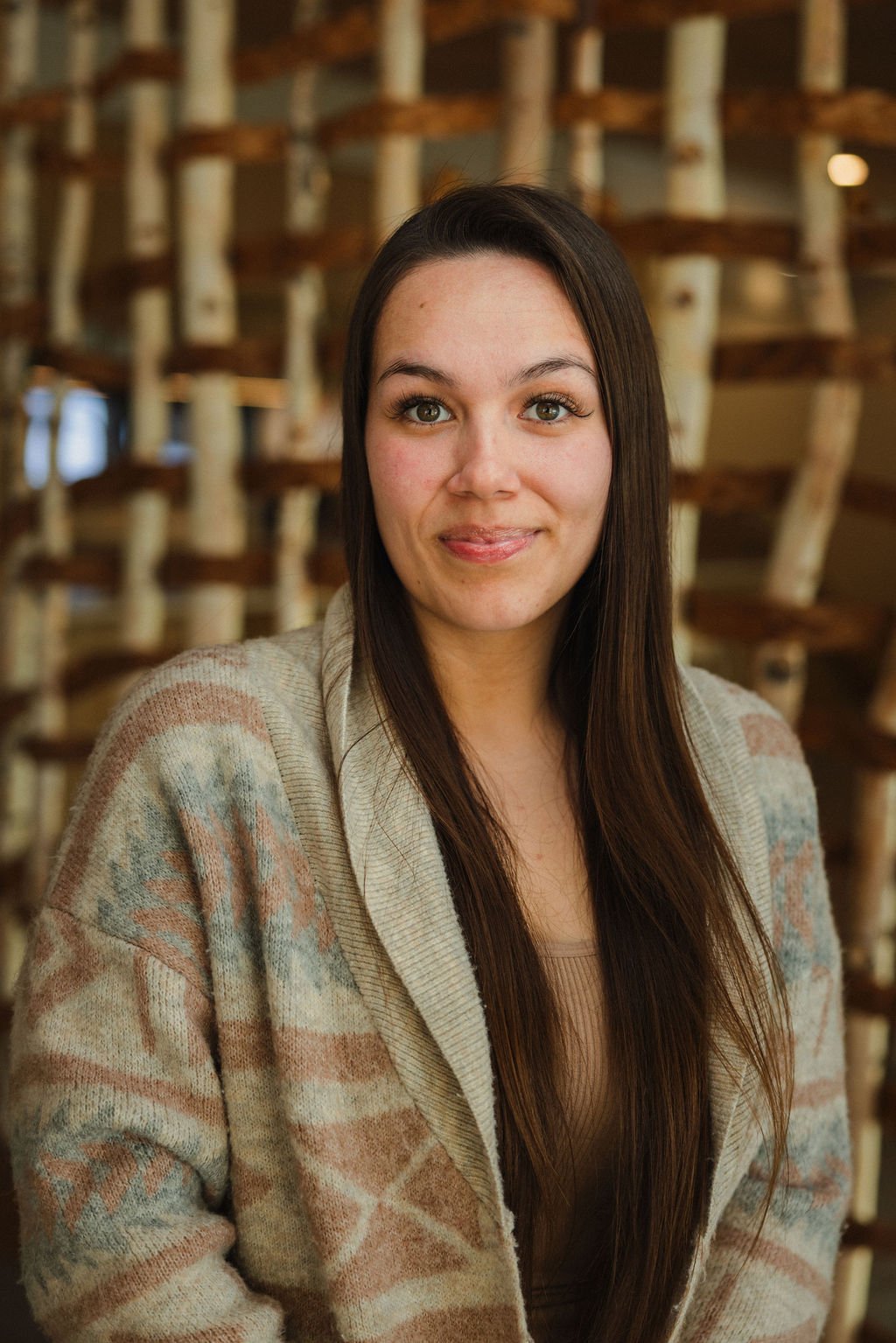
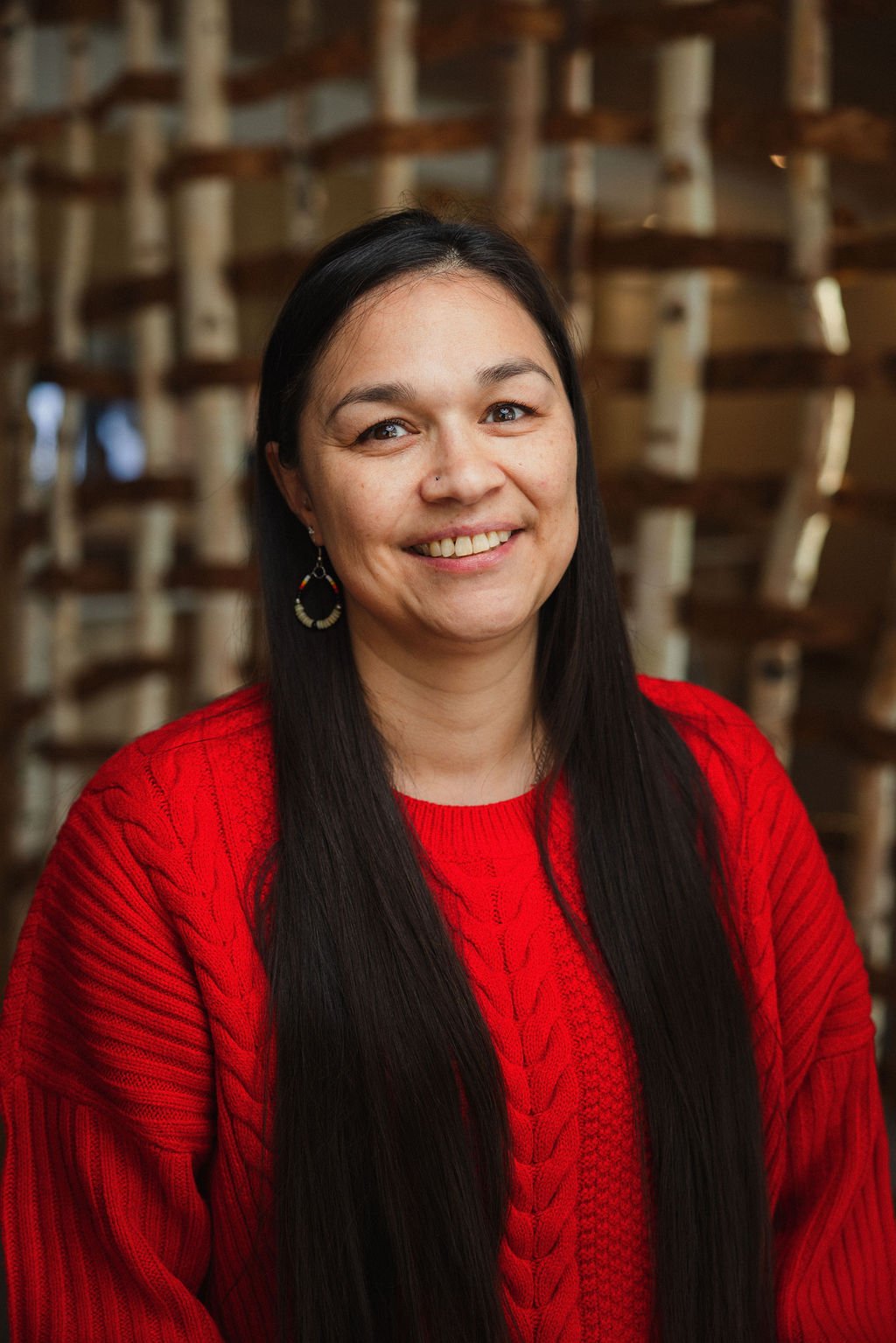
Darlene Cocks
Lead Clinical Counsellor
Darlene is a member of the Mikisew Cree First Nation from Fort Chipewyan, Treaty 8 territory. Although her roots are in northern Alberta, she grew up in the Yukon where much of her early life and healing journey began. Being raised away from her home community shaped her understanding of cultural disconnection, identity, and resilience, experiences that deeply influence her work today.
As a young mother in Whitehorse, Darlene reached a point where she wanted life to be different. With courage and honesty, she attended counselling, then treatment outside the territory, and returned home ready to rebuild. She knew she wanted to help others the way she had been helped. Education carried her forward; while raising her children and working long hours in detox services, she pursued a Bachelor of Health Sciences in Addictions Counselling and received a Master of Arts in Counselling Psychology.
At Poundmaker’s Lodge, she began as a program aide and gradually stepped into greater responsibility, eventually becoming treatment manager. There, she saw the heart of Indigenous-led healing: ceremony, community, and culture guiding people home to themselves. She later brought this experience to McDougall House and iHuman in Edmonton, supporting women and at-risk youth through the layered realities of trauma, addictions, and homelessness. Time after time, she noticed the same truth: Indigenous clients felt immediate relief when they didn’t have to explain what it meant to be Indigenous. They could simply begin.
Darlene brings both her professional expertise and her lived experience to the youth who arrive at Tsë Lhts’ënc’il Nec’igekh Be Yikh. She welcomes them the way she once longed to be welcomed: with warmth, dignity, and belief. To her, healing is not just a clinical process, it is ceremony, culture, land, and relationship. And every young person who walks through the doors is met with the quiet certainty Darlene carries: that healing is possible, because she has walked that road herself.
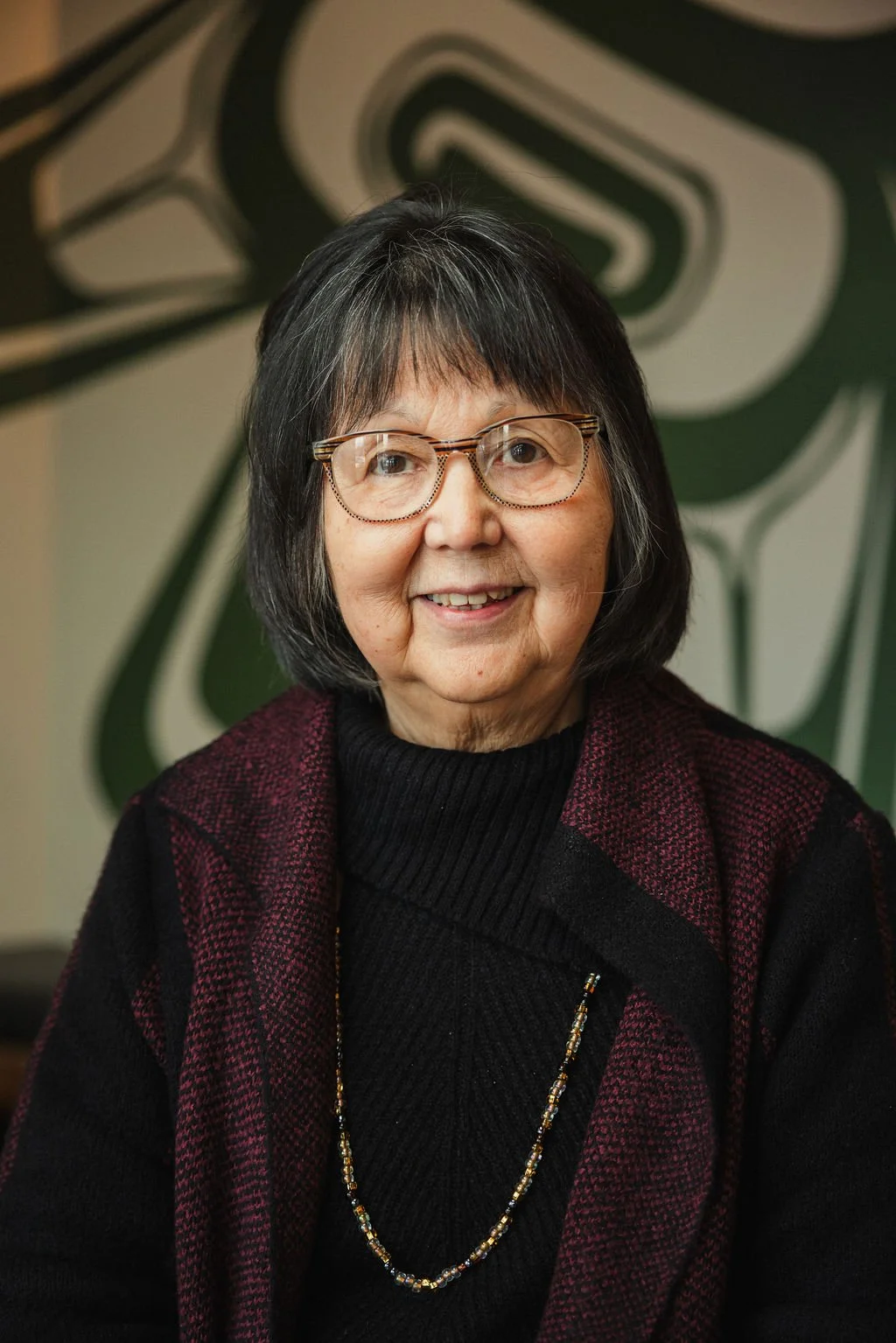
Lillian Granley
Elder in Residence
After many decades in the city, Lillian was called back home. A mother of three and grandmother of six, Lillian comes from a large family and carries with her a lifelong commitment to caring for others. Now in her seventies, she considers this chapter of her life not a slowing down, but a return: back to community, to land, and to the people she has always felt called to serve.
Lillian’s journey into healing and advocacy is rooted in both personal experience and decades of frontline work. An intergenerational survivor with parents who attended residential school, she has spent much of her life learning how to navigate and heal from trauma while helping others do the same. In the Lower Mainland, she worked extensively with women, families, and Indigenous men facing homelessness, domestic violence, addiction, and re-entry into the workforce after incarceration. From helping establish pre-employment and life-skills programs in Vancouver’s Downtown Eastside to supporting women and children in transition housing, Lillian became known for her compassion, her ability to build trust, and her unwavering advocacy for those most in need.
After retiring, Lillian wanted a way to give back to her own people. What she found was both need and purpose. She began offering her time in the community: supporting Elders, working with families, mentoring youth, and quietly helping wherever she was called. When she learned about the vision for Split Rock Healing House, she recognized it immediately as the kind of work she had been preparing for all her life: community-based, land-connected, culturally grounded healing for young people. From early consultation and volunteer support to hands-on engagement with youth, Lillian became a trusted presence, offering guidance drawn from both lived experience and professional practice.
Lillian lives by the values passed down from her mother: care for yourself, do your best in service, and never forget where you come from. Whether cooking with youth, walking alongside families through crisis, or sharing land-based knowledge, Lillian’s work is guided by heart, humility, and a deep love for her people.

Jenna Furtmann
Program & Operations Manager
Long before our doors ever opened, Jenna found herself drawn to Split Rock Healing House, even speaking of the opportunity to work here with her partner - never expecting it would one day become her reality.
Jenna brings over five years of clinical experience alongside advanced training in health administration, policy, and program design. Her dual perspective, rooted in both frontline counselling and organizational planning, equips her to create meaningful, responsive programming tailored to the unique needs of rural and Indigenous youth. She is drawn to Split Rock’s approach, which is deeply rooted in the concept of Two-Eyed Seeing that brings together both Indigenous and Western ways of understanding health and healing. Jenna says that what makes the program truly special is that this thoughtful balance is creating something uniquely powerful and meaningful.
Jenna’s connection to this work is deeply personal, as a survivor of an eating disorder, she openly shares her story to foster authentic connection and hope. She believes in the power of lived experience to dismantle stigma and guide others toward healing. Her message to youth is simple but profound: “You are deserving of support.” This belief informs every aspect of her work and approach.
Jenna is particularly excited for being a part of in-person, community-based care, where relationships and trust can form organically, whether in a group circle, a kitchen conversation, or a quiet moment by the lake. Outside of work, Jenna loves hiking, paddleboarding, running, and finds joy in baking and gardening. She feels incredibly grateful to now work in a setting that mirrors her values: one that prioritizes connection, balance, and giving back to community.
“It takes a lot of courage [for youth] to admit that they are in need of external supports and to be accepting of that. They are deserving of the support.”
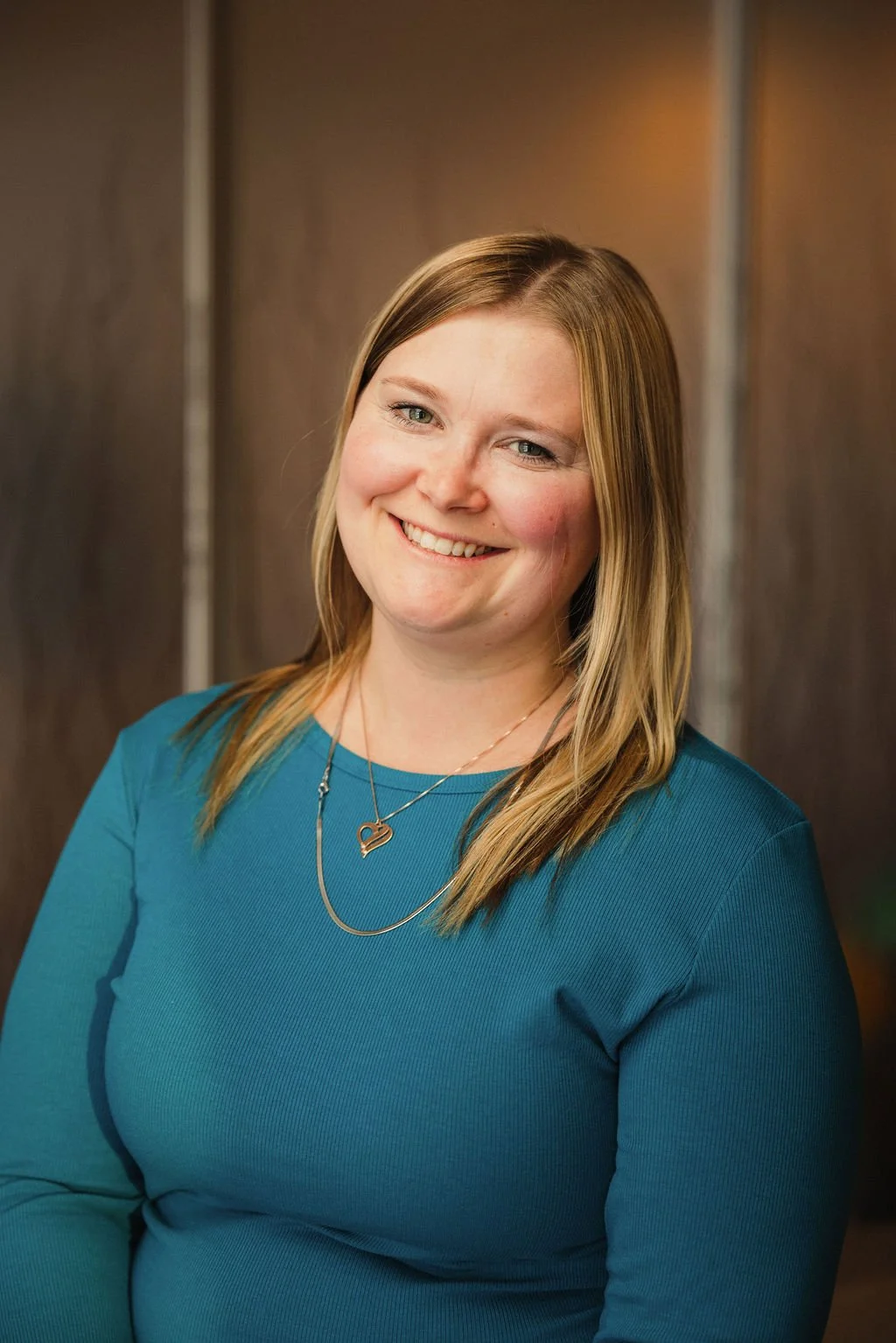
Elizabeth “Liz” Thompson
Team Lead, Youth Wellness Worker
Liz’s path into this work began as a personal journey. After losing someone in her life who struggled with mental health and addictions, she became acutely aware of the lack of accessible supports in northern and rural communities. That loss shaped her purpose: to help build stronger, more responsive systems of care, especially for Indigenous people living far from urban resources. What started as grief transformed into motivation, guiding her toward further education and a growing career in mental health and addictions support.
Throughout her career, Liz has balanced frontline health care work with raising her family, becoming a parent herself at a young age. Over time, she found herself drawn away from rigid systems and policies and toward more relational, community-based healing work. A paid training opportunity in mental health and addictions became a turning point, allowing her to shift into a role that aligned more closely with her values and the kind of support she believes people truly need.
Liz believes strongly in land-based, home-community healing. She sees Split Rock Healing House as a vital space where youth can heal without being displaced from their land, culture, and familiarity. Her hope is that the program continues to reflect what youth have asked for: care that feels safe, local, culturally grounded, and genuinely supportive. Outside of work, Liz spends her time outdoors with her family, fishing, riding, caring for her dogs, and enjoying the quiet rhythms of northern life.
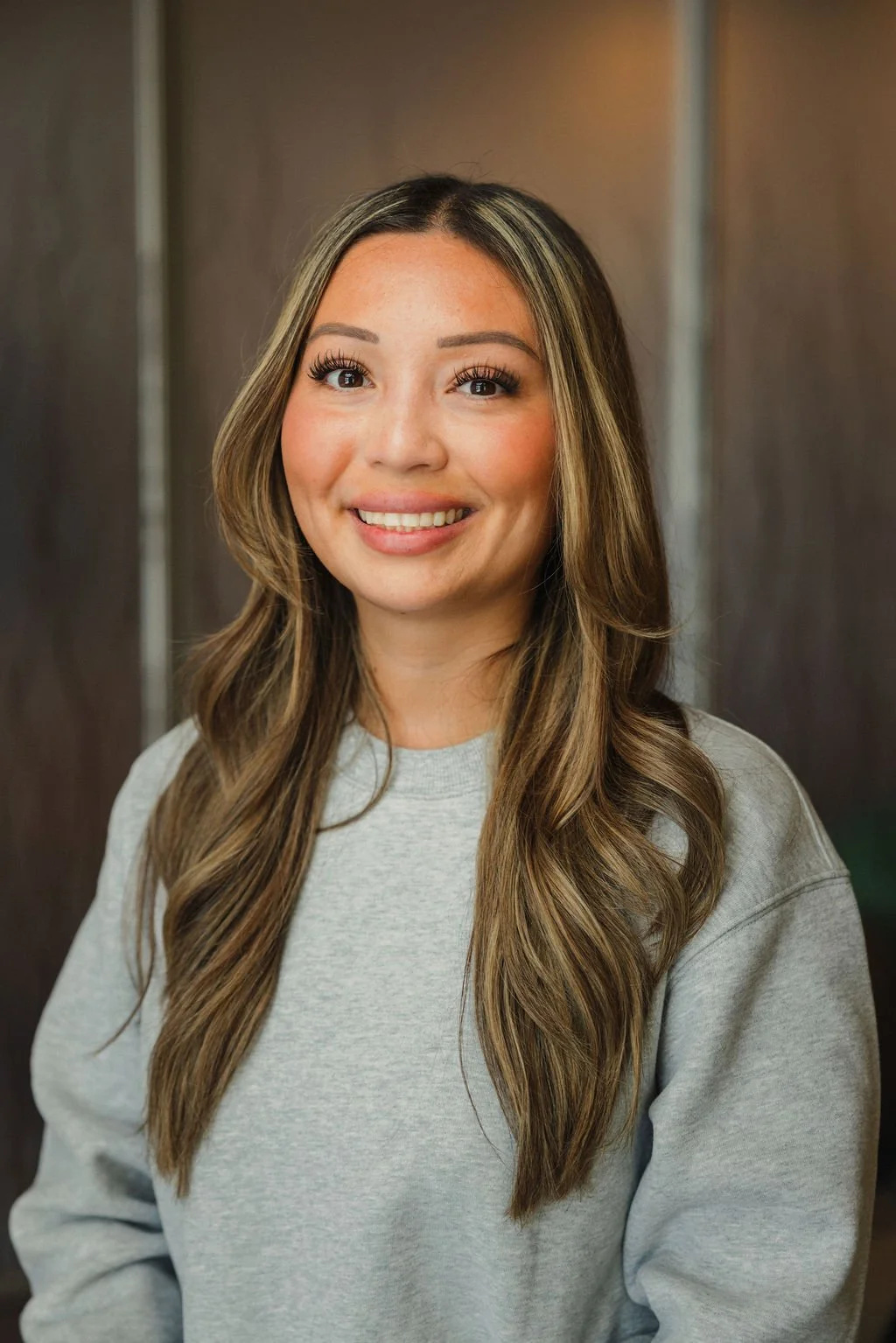
Liv Hansen
Registered Nurse
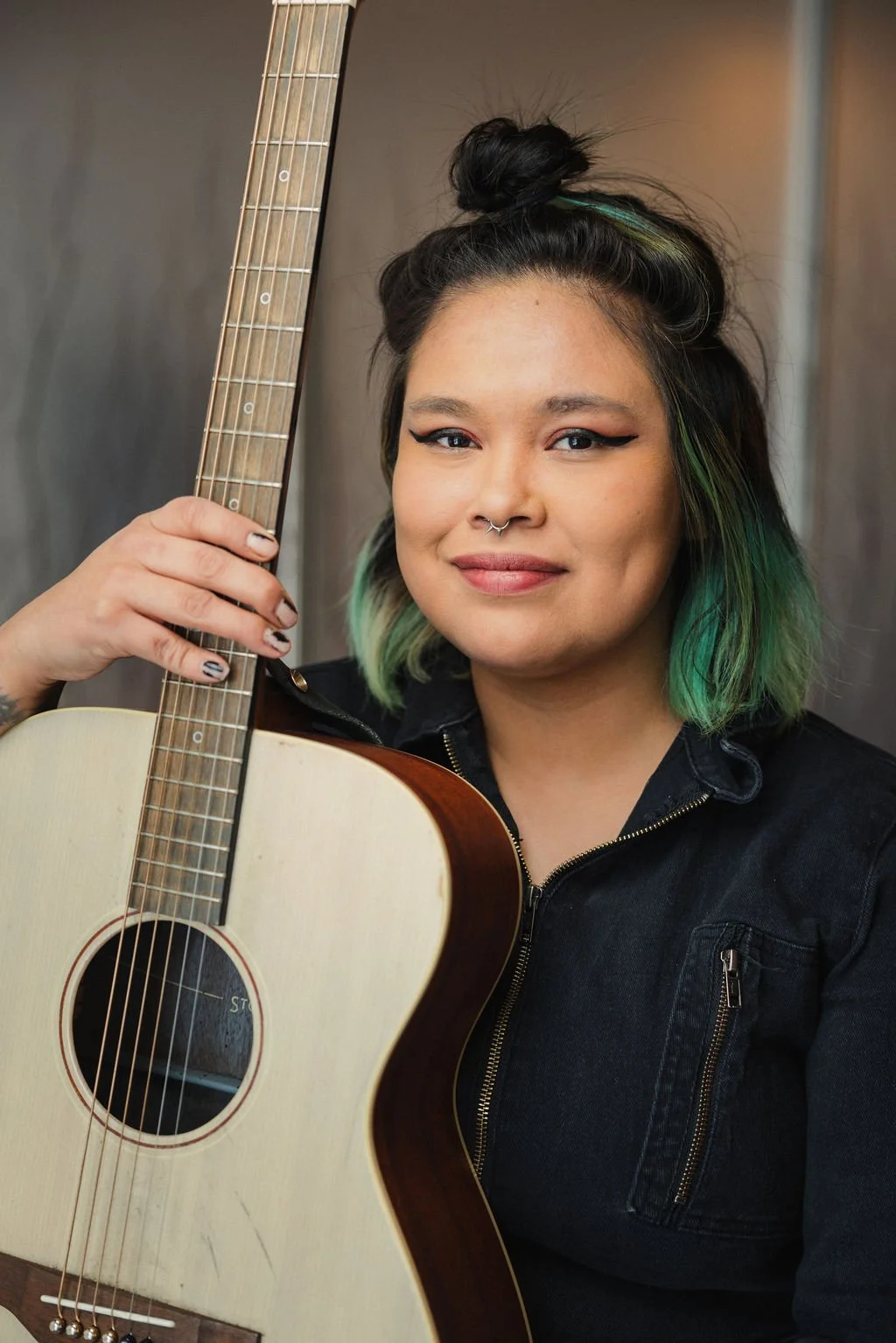
Simbiyez Wilson
Youth Wellness Worker
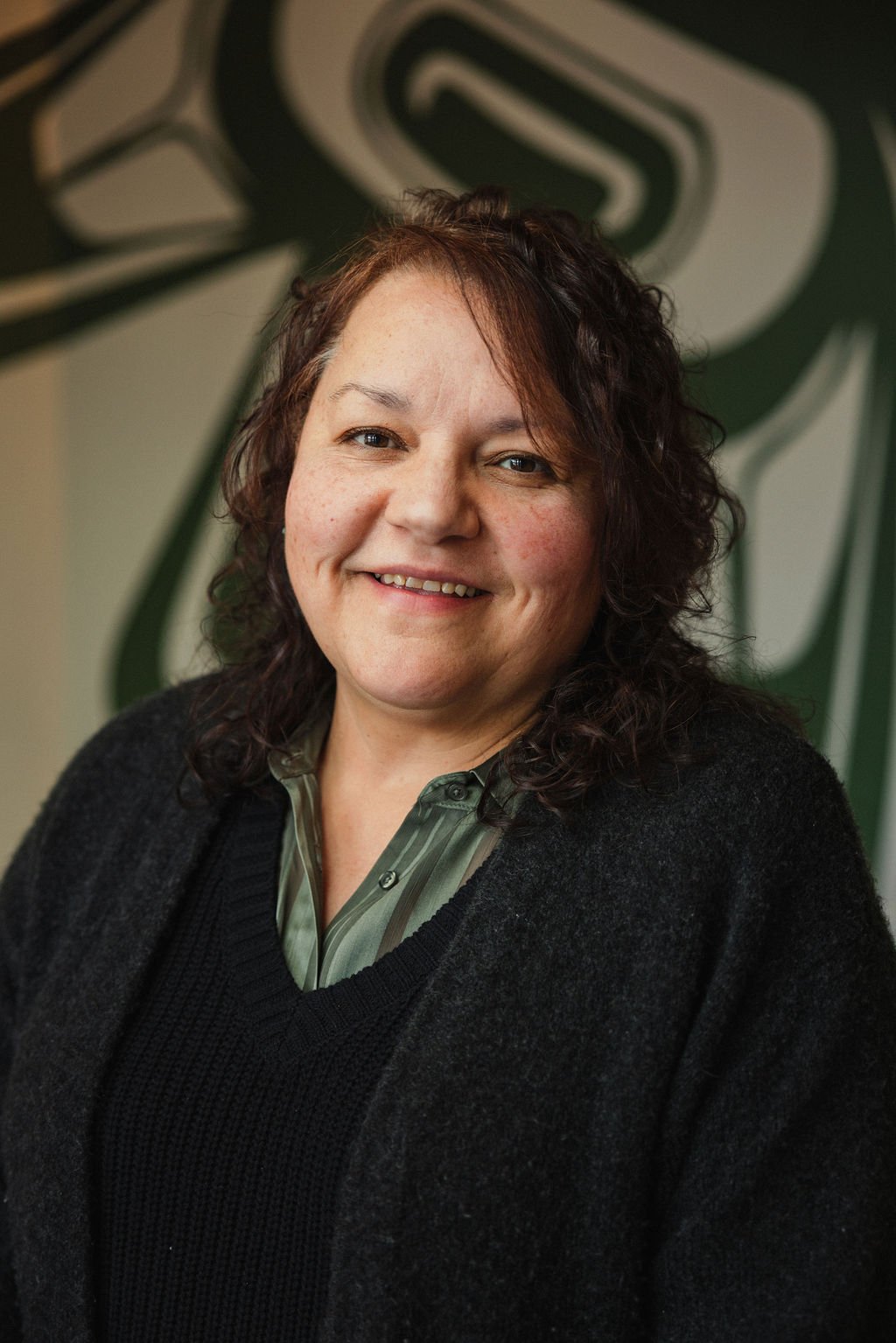
Charmaine Robinson
Youth Wellness Worker
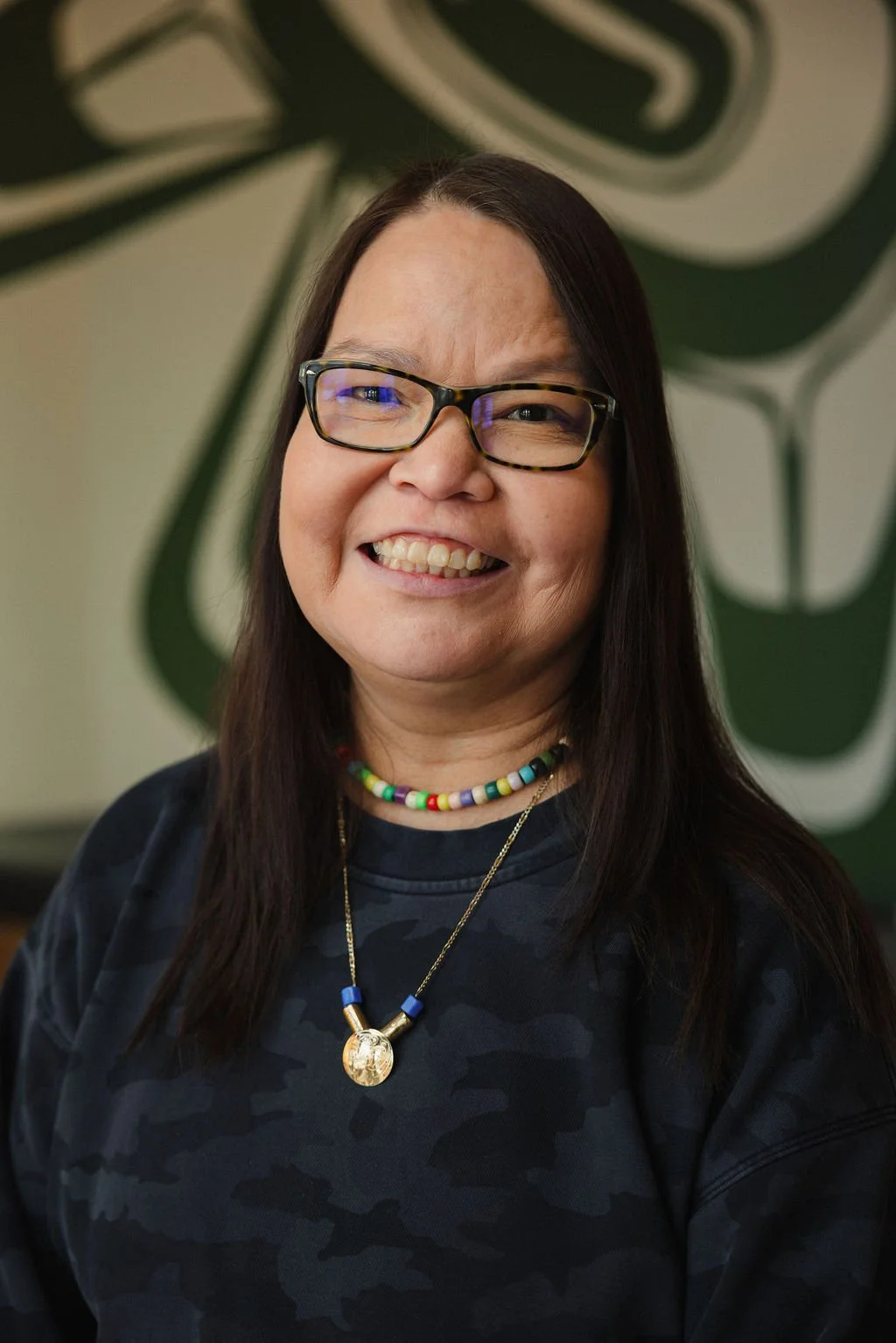
Cynthia Reece
Youth Wellness Worker
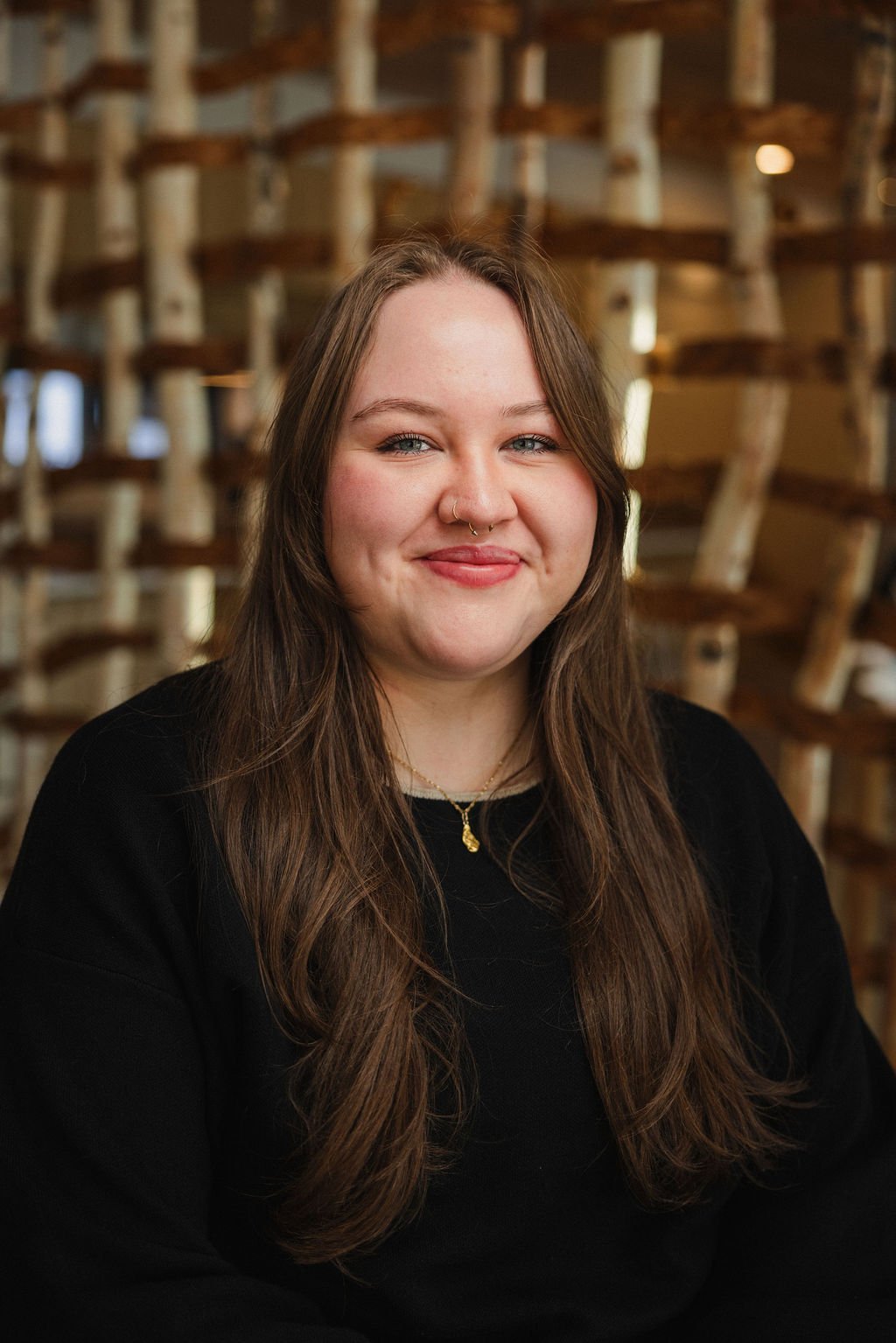
Emily Rousseau
Youth Wellness Worker
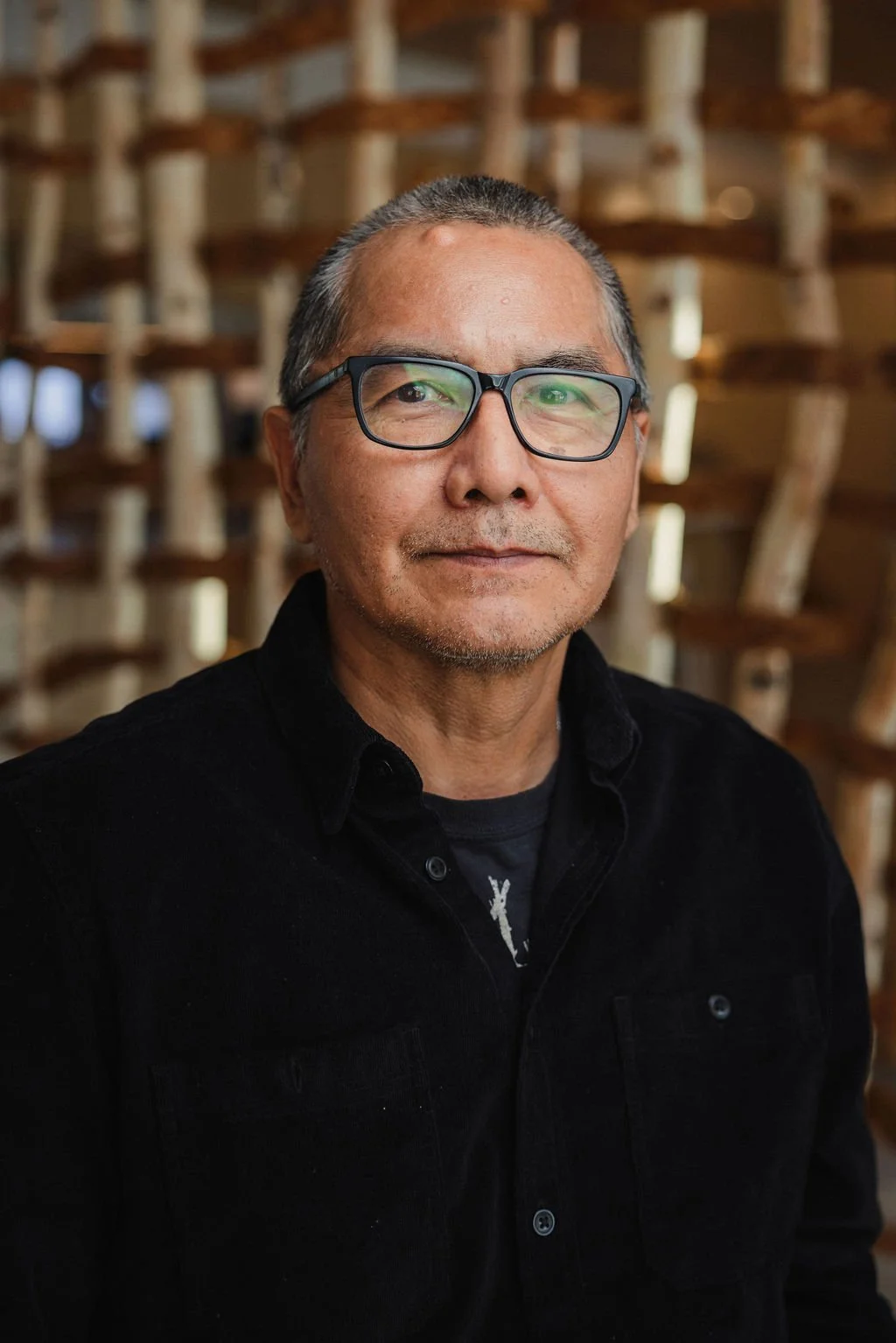
Eugene Brown
Security
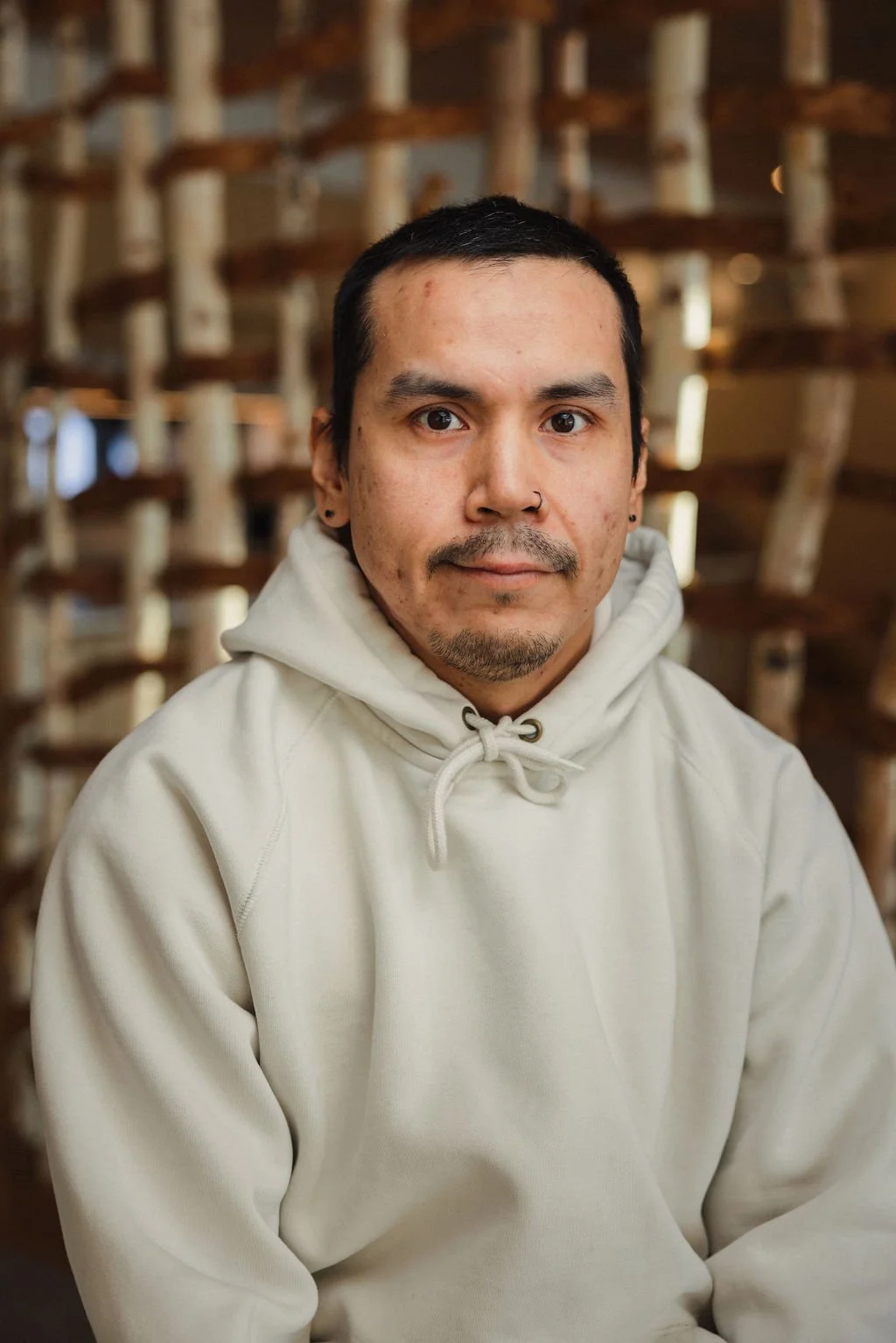
Jesse William
Cook